01 / Convene

The Governance Weekend
A biennial gathering in a different African city — heads of state, scholars and NGN members in one room, on the record.
Explore IGW

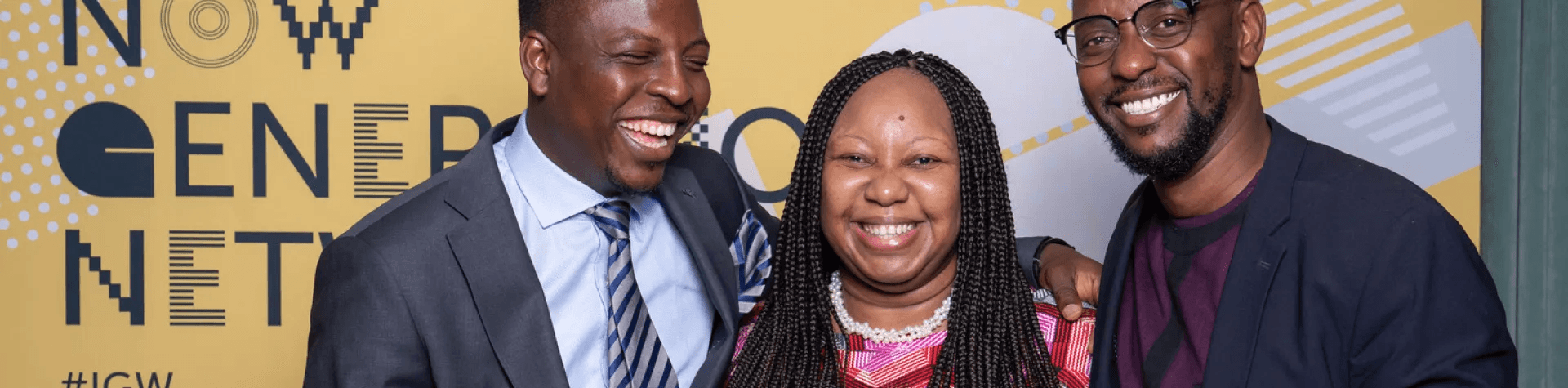

The Now Generation Network convenes young African leaders shaping the continent — across business, government, civil society and the arts — to debate the future, learn from each other, and build it together.
Africa is the youngest continent on earth — and the leaders shaping its next chapter aren't waiting their turn. They are already here.
Founded in 2008 by the Mo Ibrahim Foundation, the Now Generation Network brings together a curated community of Africans aged 25 to 40 who are driving change in their fields: founders, ministers, scientists, artists, investors, civil-society leaders and public intellectuals.
Members convene at the annual Ibrahim Governance Weekend, collaborate year-round on commissioned research, mentor one another, and contribute their voices to the Foundation's work on governance, leadership and the African future.
NGN is not a conference or a club. It is a working network — for the people who are already doing the work.


The NGN is where the people building Africa's future come to think out loud with each other. There's no other room like it.
NGN members don't just attend — they convene, debate, mentor and publish. Every pillar is a way of putting the network to work for the continent.
A biennial gathering in a different African city — heads of state, scholars and NGN members in one room, on the record.
Explore IGWWorking sessions where members take on the hardest questions facing the continent — from the NGN Debates to Foundation forums.
About NGN programmesYear-long mentorship pairings inside the network. Senior members mentor newer ones through the member portal.
Login to joinMembers contribute to the Ibrahim Index of African Governance, Forum reports and op-eds that shape continental policy.
Explore the IIAG